For a drone to fly freely, the remote controller must be able to send commands to it, and the drone must be able to send its status information and images back in real-time, forming a closed-loop control system.
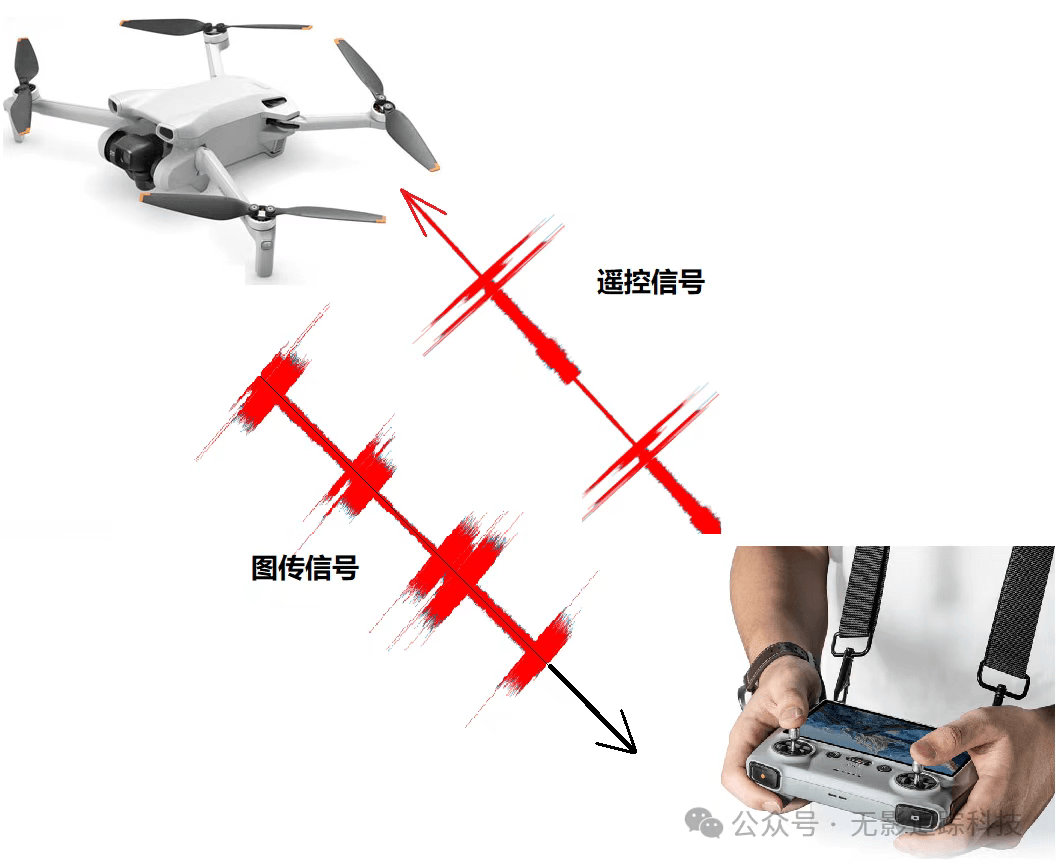
Figure 1: Drone signal propagation (red is the actual waveform)
I. Classification
The signal for the drone to send down status information is generally called data transmission, and the signal for transmitting images or videos is called video transmission. The remote controller emits control signals.
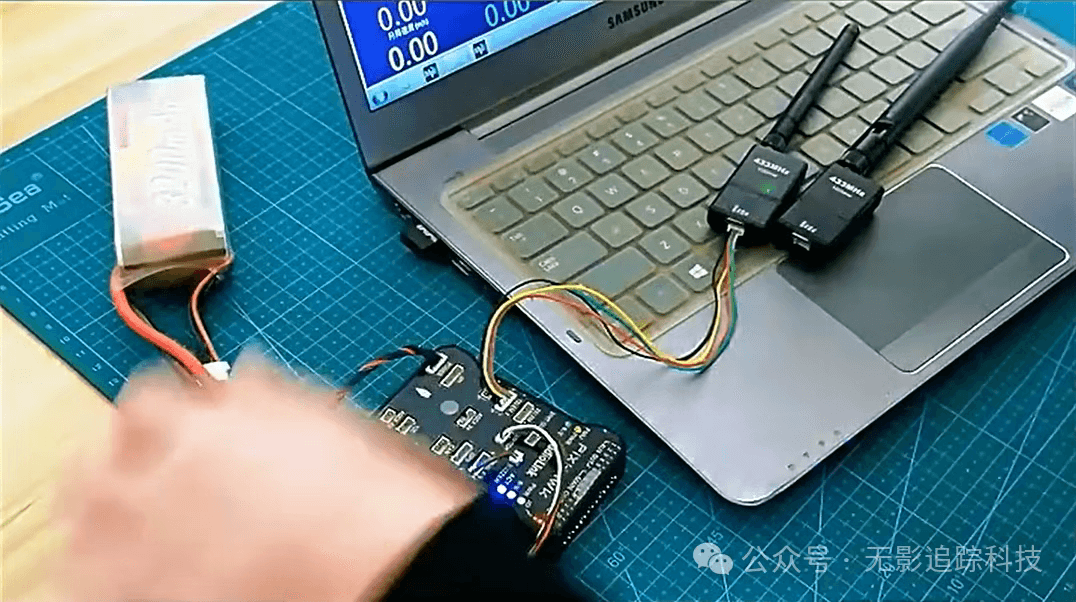
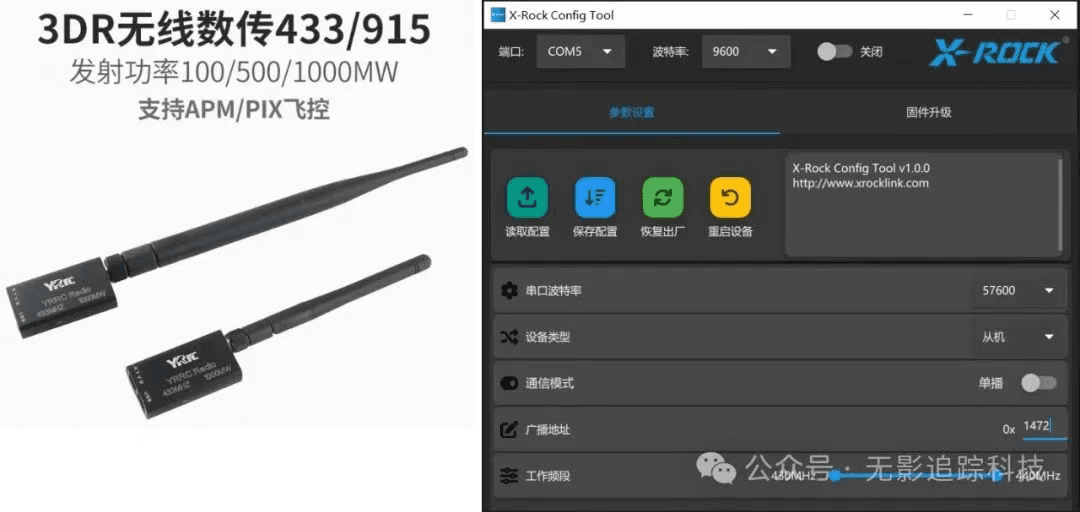
Figure 2: Data transmission of a DIY drone
1. Frequency Bands, Narrowband, and Broadband
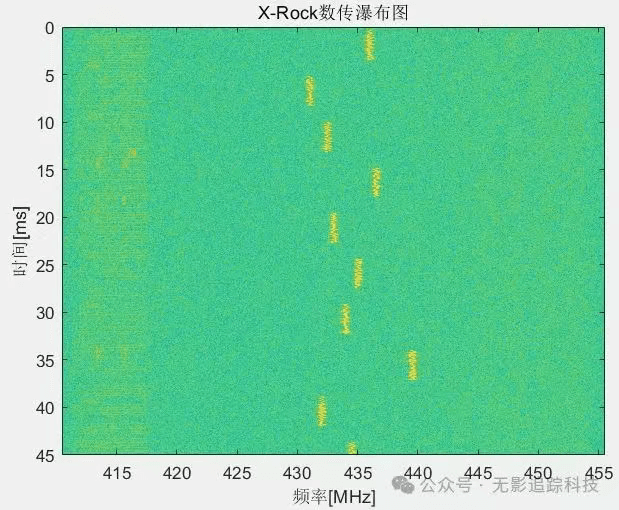
The data volume of drone data transmission and remote controller commands is very small, so they are generally narrowband signals, with bandwidths as low as kHz and generally not exceeding 1MHz. The remote controller frequency bands are typically 2.4G and 5.8G, and data transmission is generally at 433M/915M/2.4G, etc.
Video transmission signals, because they transmit images, from the early 720P to the current 4k or even 8k video, have a very large amount of pixel data per frame. Even after encoding and compression, the data traffic is still huge, so they are signals with larger bandwidth. The initial analog video transmission had a bandwidth of about 2MHz, and now digital video transmission has bandwidths of 10M, 20M, or even 40MHz. The frequency bands for video transmission are generally 2.4G, 5.2G, and 5.8G.
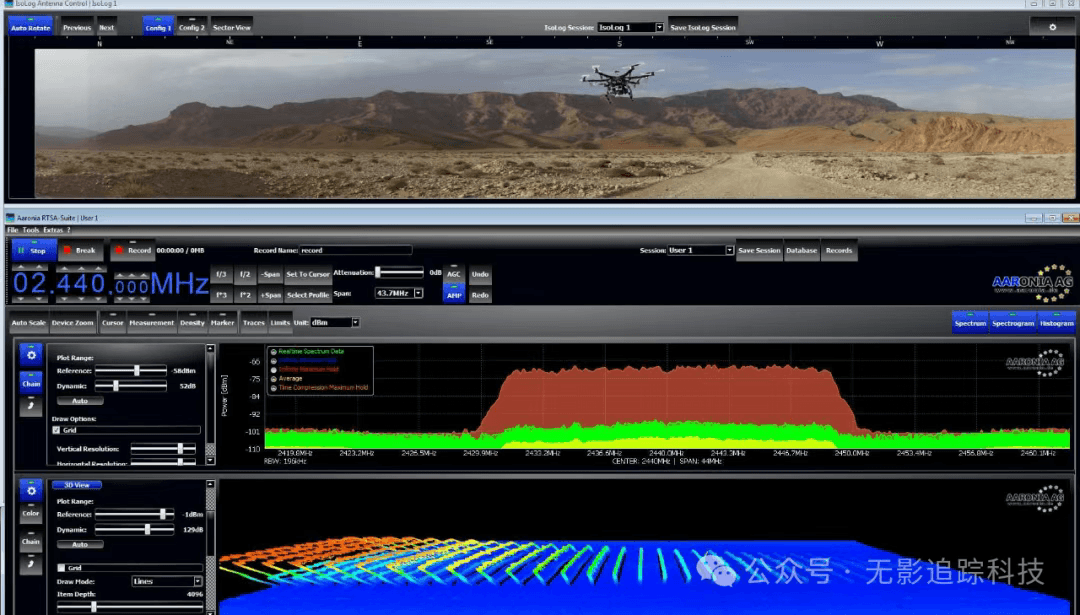
Figure 3: Drone signal spectrum seen on a spectrum analyzer (from Aaronia's official website)
2. Different Modulation Types
Narrowband signals (data transmission and remote control) are generally frequency modulation signals, mainly GFSK, and also LoRa's Chirp modulation. This modulation method is low-cost and, combined with frequency hopping, has strong anti-interference capabilities.
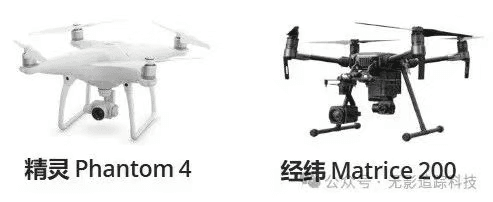
Narrowband signals also have phase modulation such as QPSK or OFDM modulation (like the DJI Mavic's remote controller). DJI's data transmission and video transmission are integrated; the signal sent back by the drone includes status information and video.
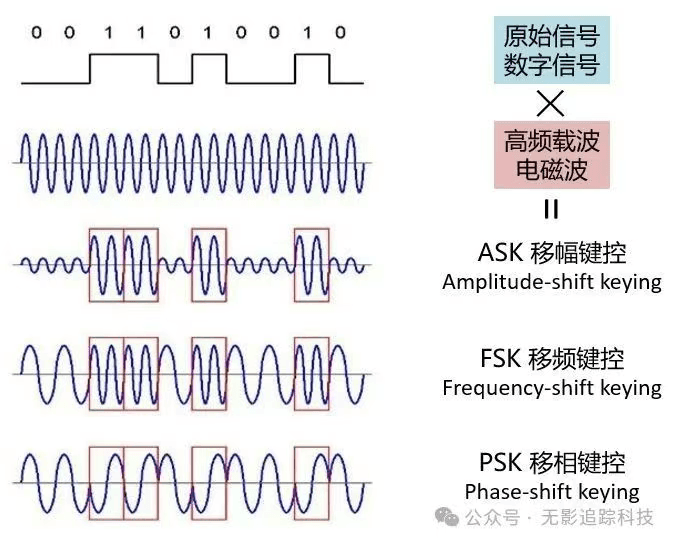
Figure 4: Schematic of different modulations
Broadband video transmission signals, apart from the old analog FM modulation, are now mostly OFDM modulation, such as Wifi video transmission, 4G video transmission, and DJI's OcuSync video transmission. Mobile base station communication has used OFDM technology since 4G because of its high spectrum utilization and its ability to more easily overcome multipath and fading effects over large bandwidths.
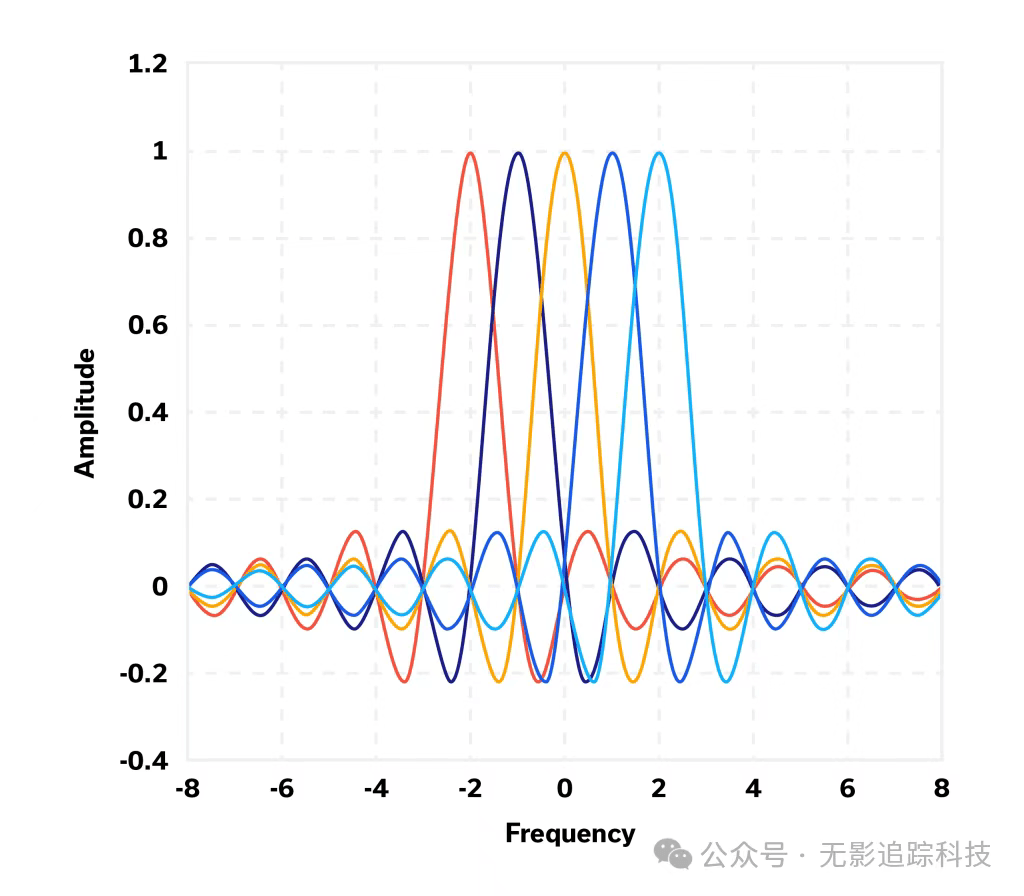
Figure 5: Schematic of OFDM modulation
3. Technological Origins
The wireless communication technologies used by drones all come from mature communication technologies long used in industrial and consumer fields; there are no breakthroughs or disruptive innovations. Most drone companies do not develop their own data or video transmission communication hardware or physical layer algorithms, at most making some improvements to the protocols.
-
DJI LightBridge and OcuSync 2.0/3.0/4.0
2.400 GHz to 2.4835 GHz
5.725 GHz to 5.850 GHz
-
Autel SkyLink
900M: 902-928MHz*
2.4G: 2.4-2.476GHz**, 2.4-2.4835GHz
5.2G: 5.15-5.25GHz***
5.8G: 5.725-5.829GHz**, 5.725-5.850GHz
-
Fimi RokLink
5.725G-5.850G
Data transmission and remote controllers use traditional IoT communication technologies, such as frequency modulation + frequency hopping, with a few using spread spectrum.
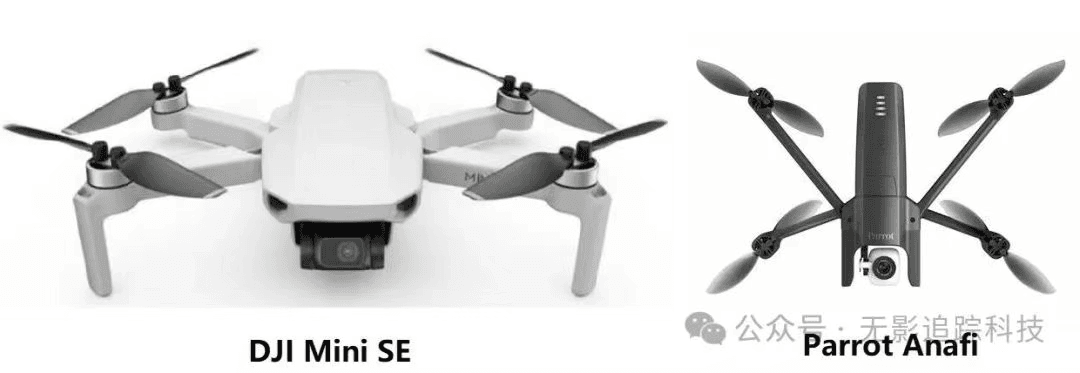
Video transmission has two core indicators: latency and distance. It does not require reliable transmission; losing some frames is acceptable, and so is some "snow," the key is not to disconnect. Video transmission mainly uses WiFi and technologies similar to 4G LTE. DJI models that use WiFi video transmission include the Phantom 3s, Phantom 3 SE, Phantom 3 4k, Spark, Mavic Air, and Mini SE.
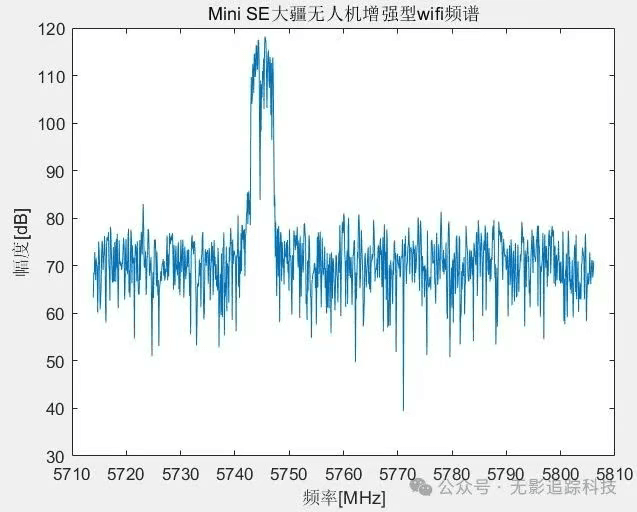
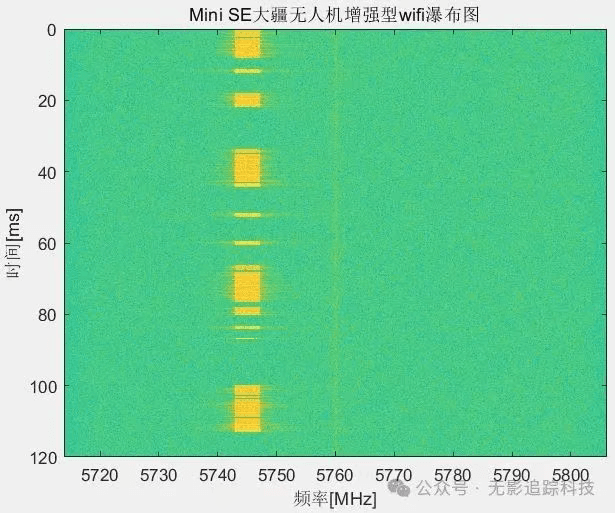
WiFi video transmission is mainly improved in four ways. First, using channels near 5.2G, which have less interference. Second, removing the feedback mechanism, for example, changing the traditional TCP to UDP protocol which requires no feedback, or directly removing the physical layer ACK (feedback acknowledgment retransmission mechanism, which can cause huge delays at long distances due to infinite retransmissions). Third, switching to using broadcast frames to transmit video, removing connection and authentication, thus avoiding the problem of not being able to see anything if the hotspot is not connected. Fourth, enhanced WiFi, which reduces the transmission rate; according to Shannon's law, this requires a lower signal-to-noise ratio, thus extending the range.
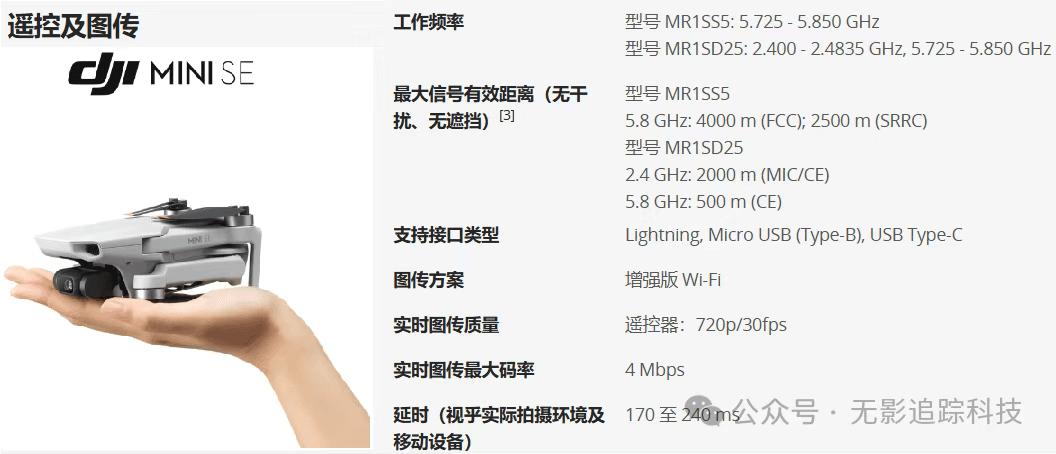
Figure 6: Mini SE model video transmission parameters (from DJI's official website)
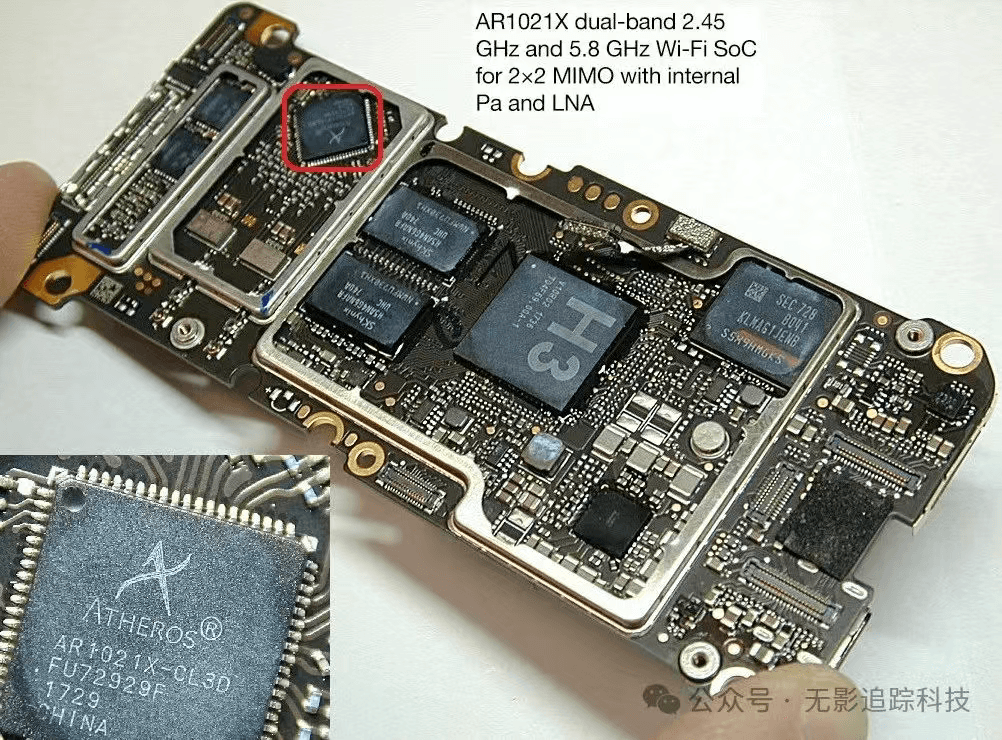
Figure 7: Mavic Air video transmission uses a Qualcomm WiFi chip (from a Sohu blog)
OFDM video transmission, Autel uses mature 5G communication chips from ZTE. DJI's early LightBridge video transmission used mature communication chips, and the later self-proclaimed OcuSync technology is also similar to LTE technology, with some improvements at the physical layer.
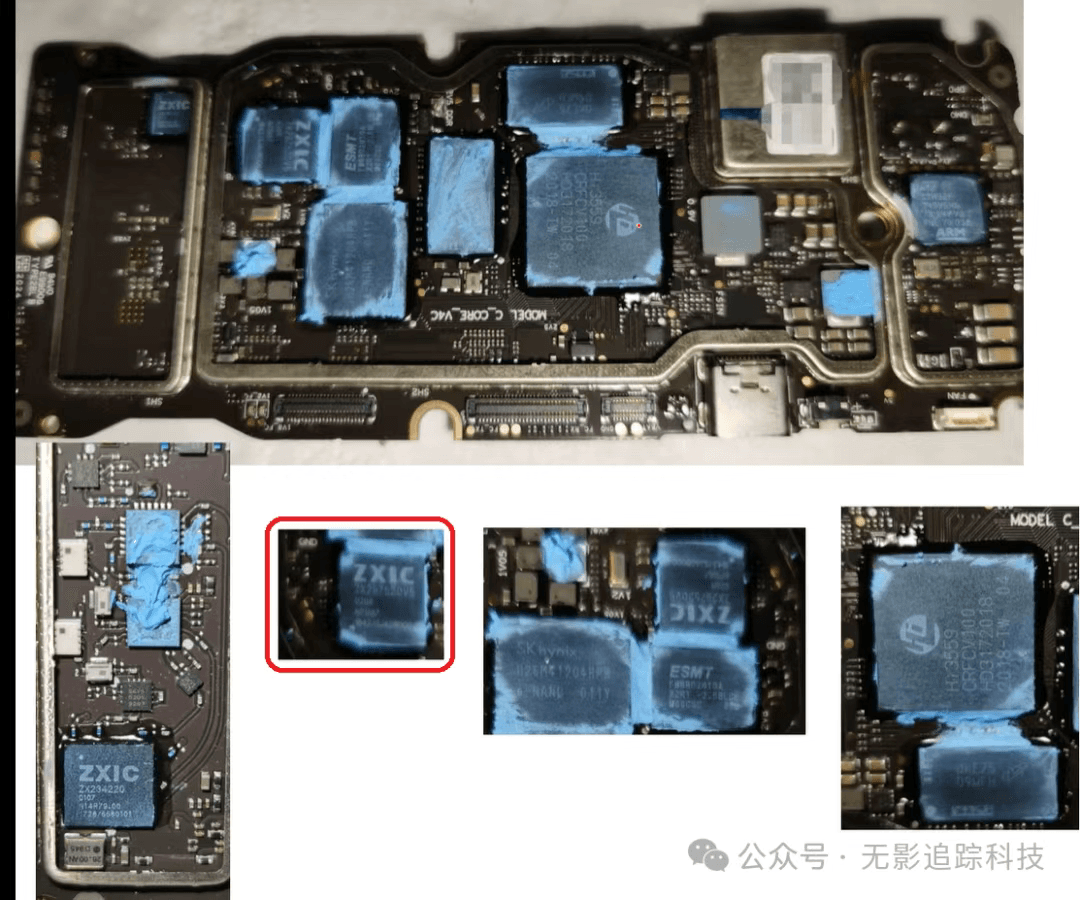
Figure 8: Autel EVO 2 Pro teardown, using ZTE ZX297520 chip (from Bilibili teacher Tang)
| Feature | ZX297520 |
|---|---|
| Mode | TD-LTE/FDD LTE/TD-SCDMA/GSM/EDGE |
| Process | 28nm |
| Standard | TD-LTE/FDD LTE 3GPP Release9 |
| Peak Rate | LTE CAT4: DL/UL:150/50Mbps; WCDMA: DL/UL:21/5.76Mbps; TD-SCDMA HSPA+: DL/UL:4.2M/2.2Mbps; EDGE: Class B, multi-slot class 12; GPRS: Class 12 Data Services; |
Table 1: ZTE ZX297520 V5 chip parameters
II. Spectrum
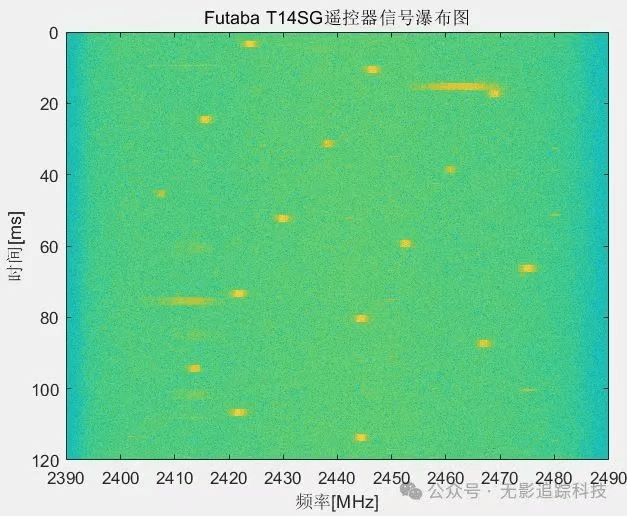
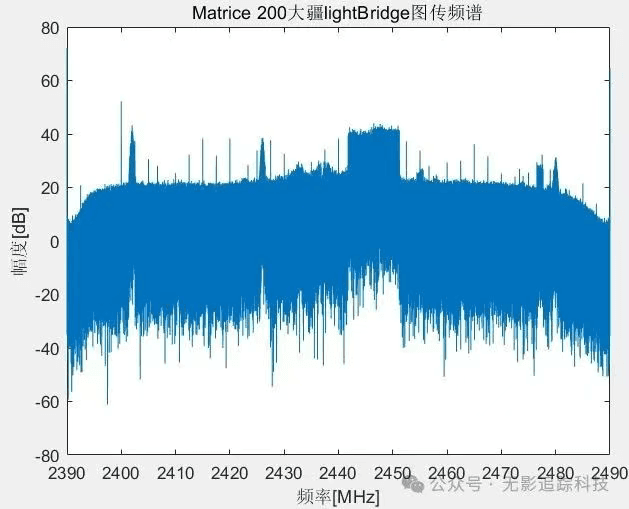
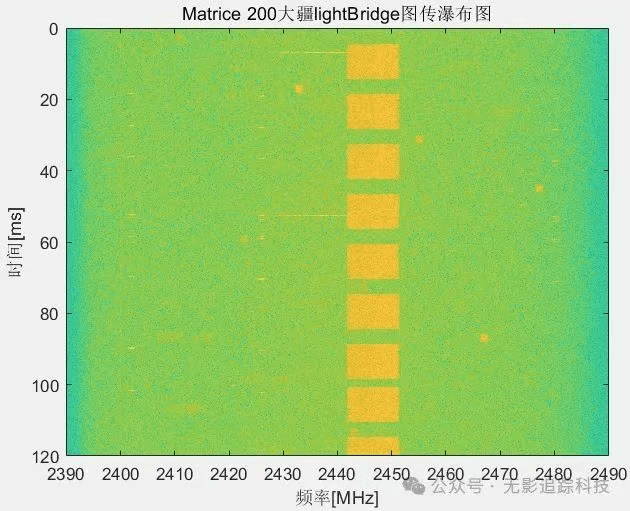
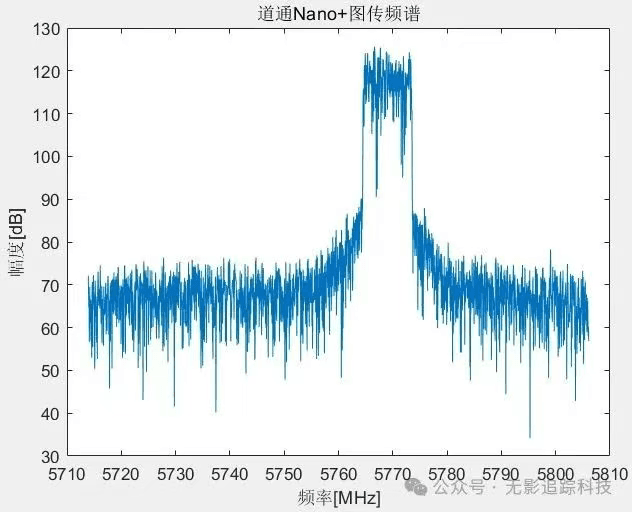
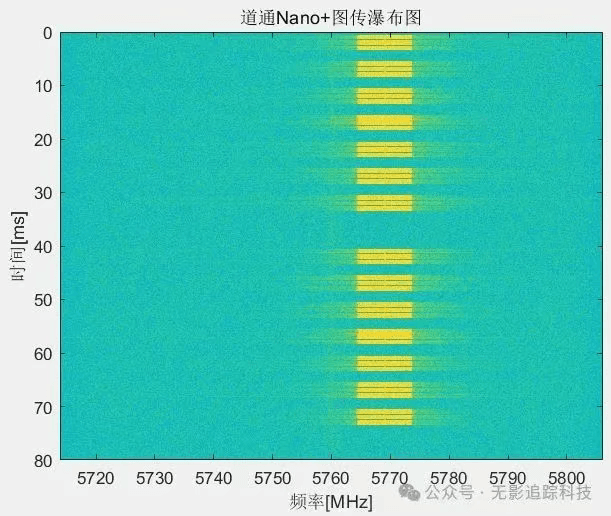
To visually see the signals of various drones, some spectrum and STFT (Short-Time Fourier Transform spectrogram) plots are drawn.
1. Remote Controller Signals
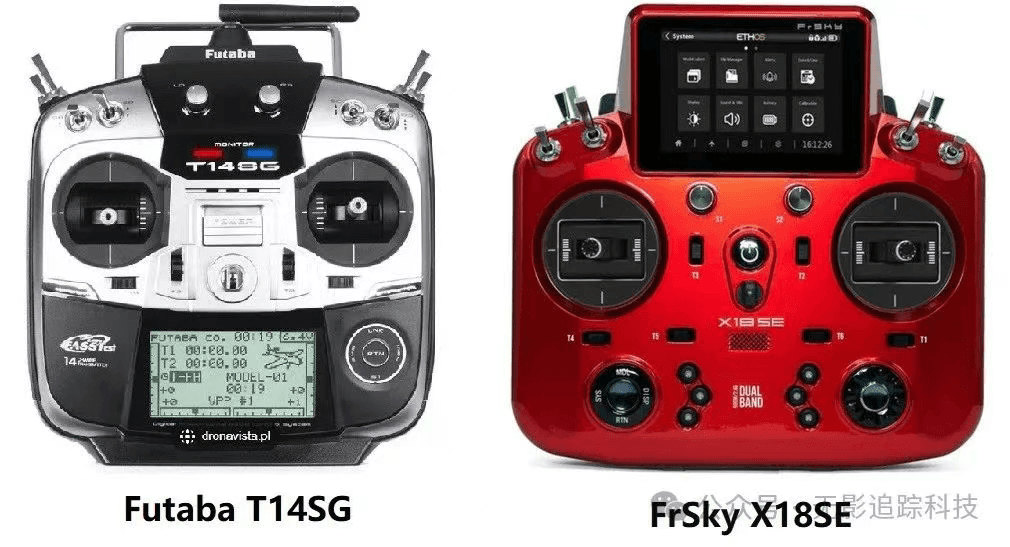
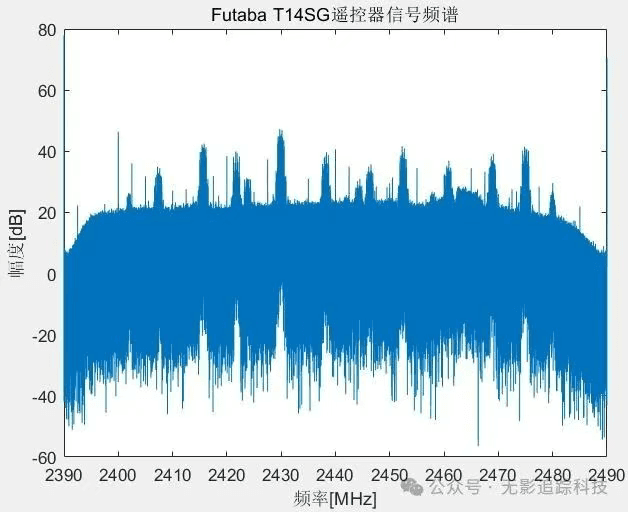
2. Data Transmission Signals
3. DJI LightBridge Video Transmission
4. DJI OcuSync Video Transmission
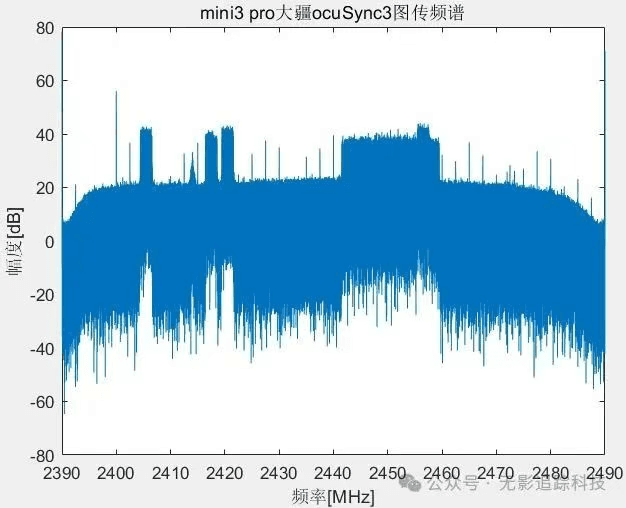
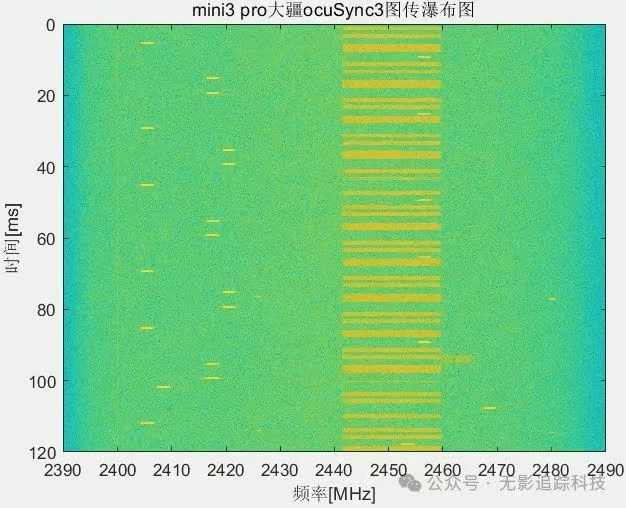
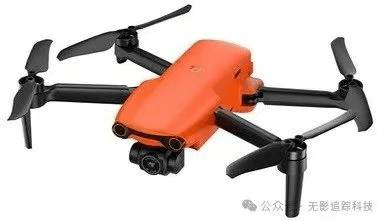
5. Autel Video Transmission
6. FPV Analog Video Transmission
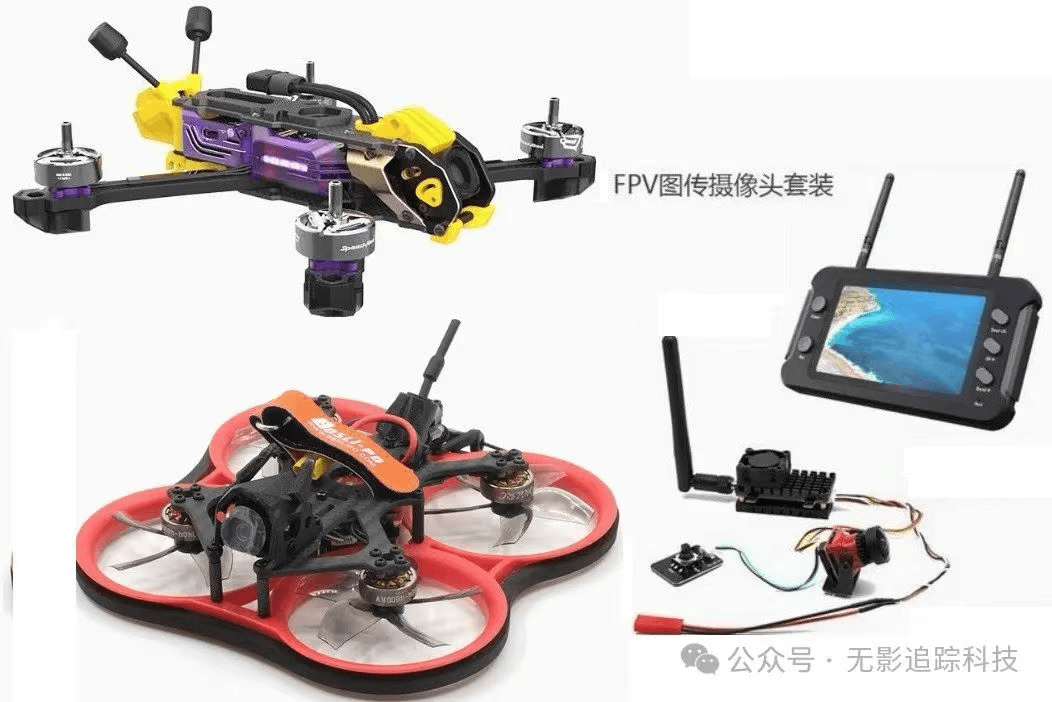
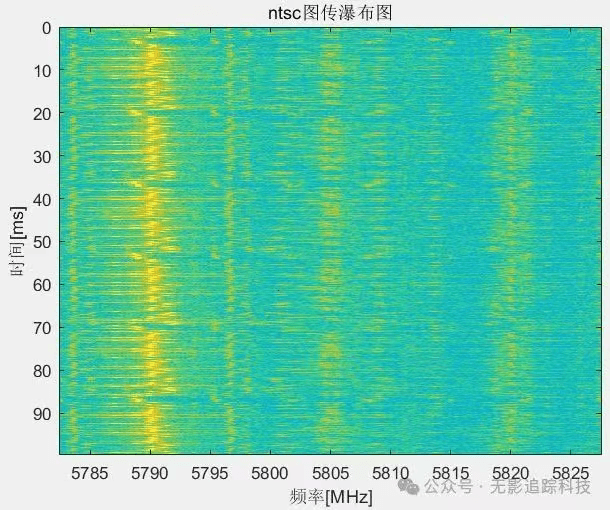
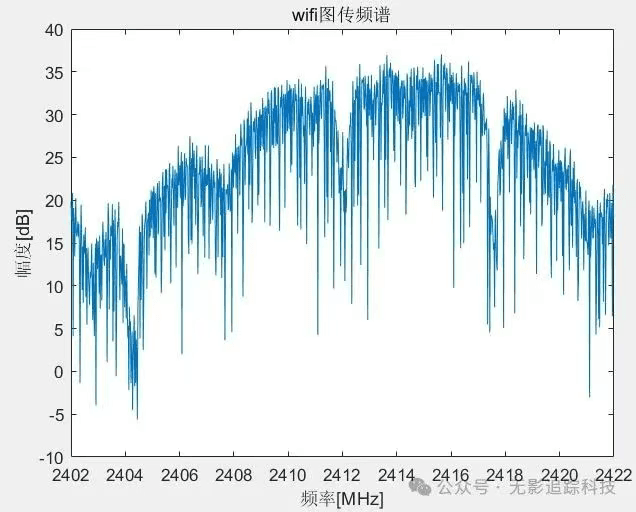
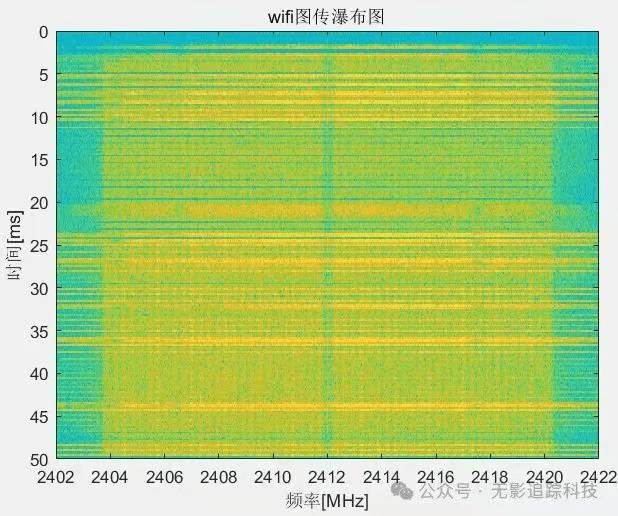
7. WiFi Video Transmission