ADS-B (Automatic Dependent Surveillance-Broadcast) is an aviation surveillance system based on satellite navigation technology. By broadcasting and receiving real-time position information of aircraft, ADS-B technology enhances flight safety and optimizes airspace management efficiency. ADS-B is divided into "ADS-B Out" (aircraft broadcasting their own data) and "ADS-B In" (receiving and using data broadcast by other aircraft or ground stations).
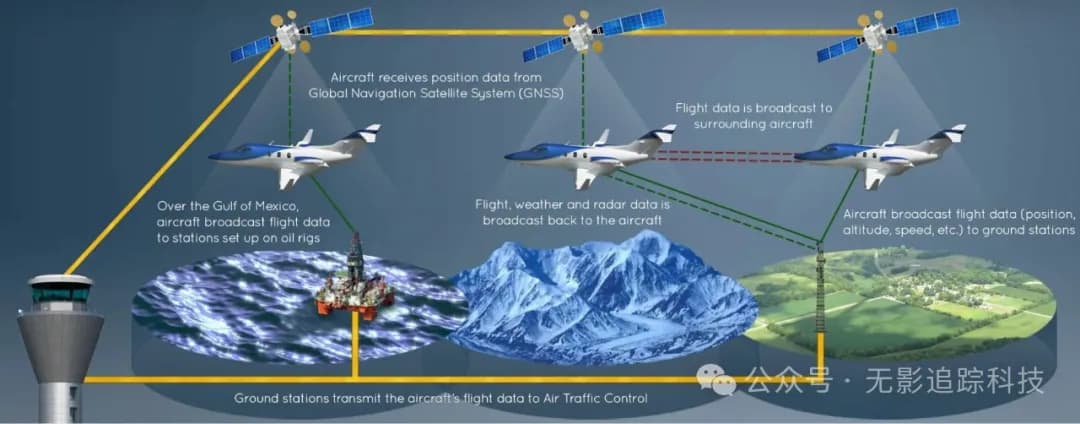
Figure 1: ATC ADS-B System
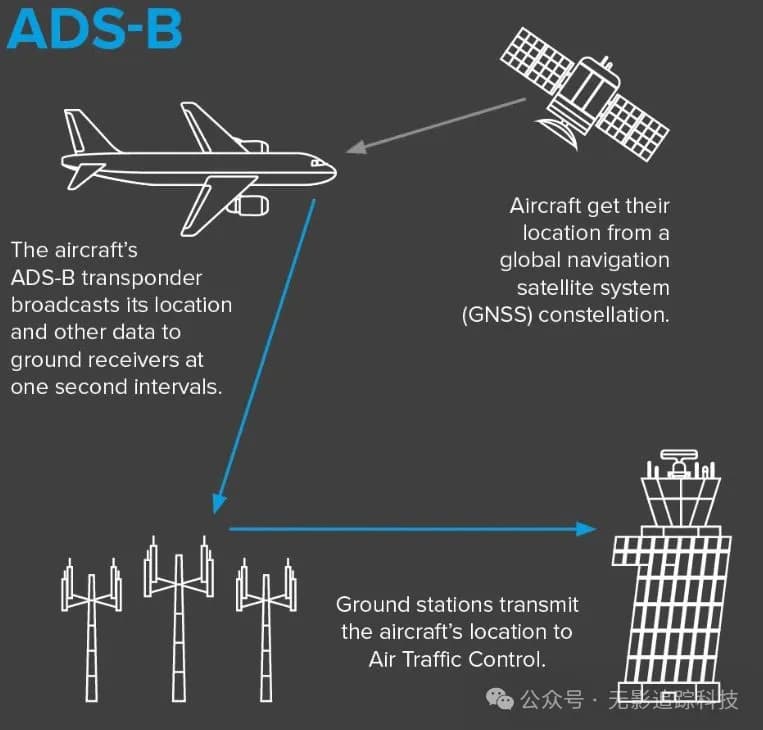
Figure 2: ADS-B Diagram
In 2007, ADS-B technology was first tested in China, and its promotion began between 2013 and 2017. The "Civil Aviation ADS-B Implementation Plan for China," released in 2012, explicitly listed ADS-B as a key technology in the plan to open up low-altitude airspace.
1. ADS-B Technical Details
The main information transmitted by ADS-B includes the aircraft's position, altitude, speed, heading, and identification number. All this information comes from onboard equipment; for example, the position is obtained from the aircraft's GPS, and the altitude from its barometric altimeter. The most commonly used data links are VDL Mode 4, UAT (Universal Access Transceiver), and 1090ES (1090 MHz Mode S Extended Squitter). Typically, when we refer to ADS-B, we mean the Mode S broadcast on the 1090 MHz frequency.
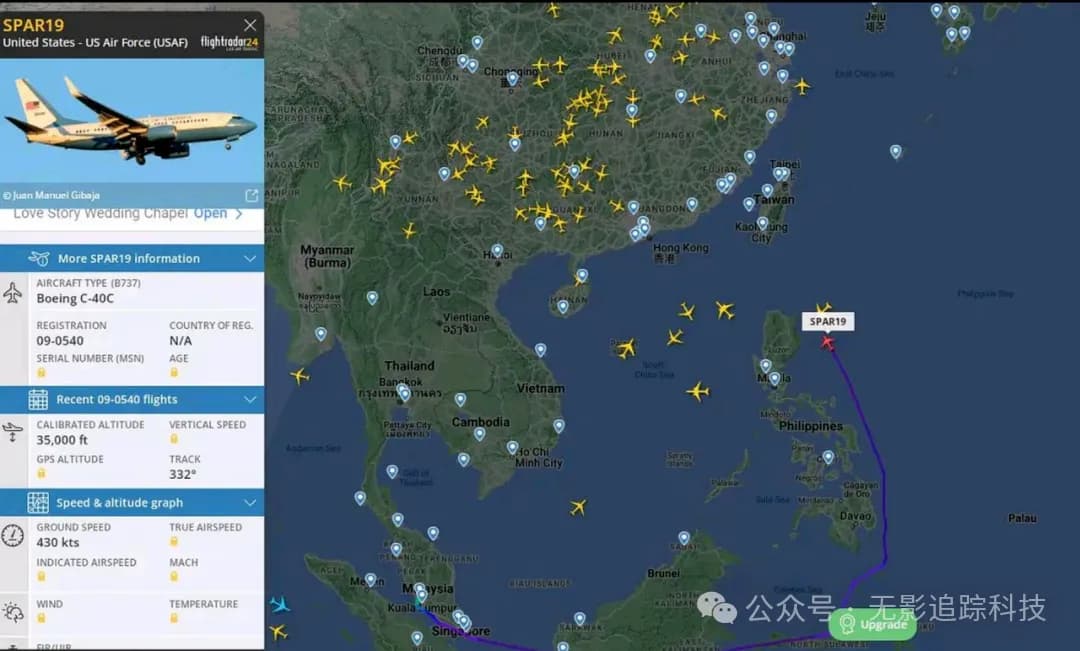
Figure 3: Civil Aircraft Status Displayed by ADS-B
1.1. ADS-B Message Structure

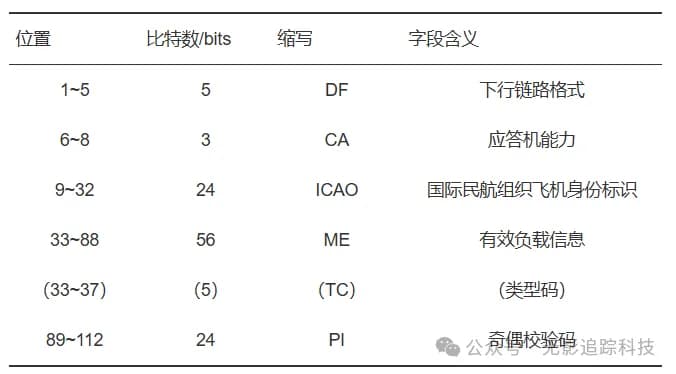
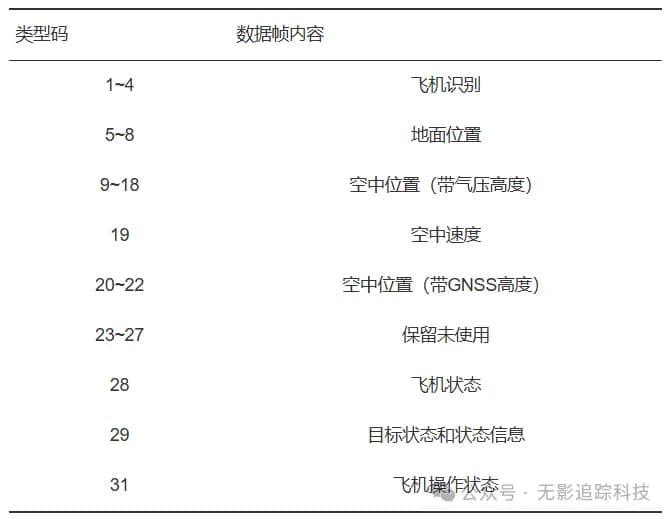
Figure 4: ADS-B Mode S Extended Squitter Packet
1.2. Modulation Method
The modulation is relatively simple, with 0 and 1 pulses directly modulated onto the carrier wave. Within a 1μs interval, a pulse in the second half represents a 0, while a pulse in the first half represents a 1. Alternatively, 01 can represent 0, and 10 can represent 1. A complete ADS-B message is 120 μs long, consisting of a preamble and data pulses, using Pulse-Position Modulation (PPM). The preamble is 8 μs long and provides the signal arrival time and pulse reference level for decoding the subsequent data block. The data pulse is 112 μs long.
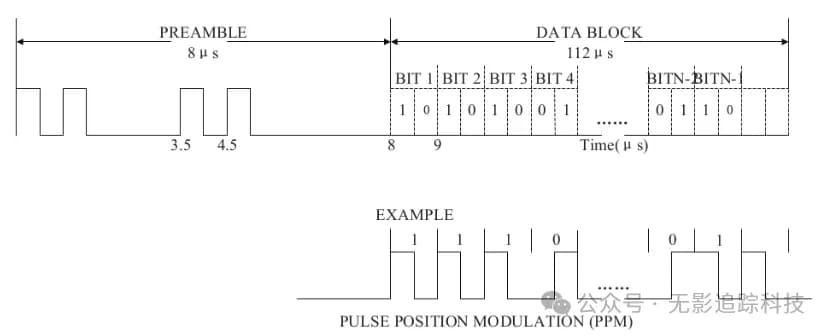
Figure 5: ADS-B Signal Modulation
2. ADS-B and Drones
DJI announced that starting from January 1, 2020, all drones weighing over 250g would support the ADS-B IN function, AirSense, with some professional models offering optional ADS-B OUT installation. As the leader in the consumer drone market, DJI has set an industry standard for ADS-B application in drones. More and more drone and flight controller manufacturers are integrating ADS-B technology into their products.
2.1. DJI AirSense
DJI AirSense, through ADS-B IN, can acquire and analyze information such as the position, altitude, heading, and speed of manned aircraft/helicopters. It compares this with the DJI drone's current information to calculate the risk of collision in real-time.
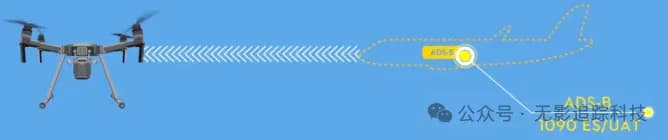
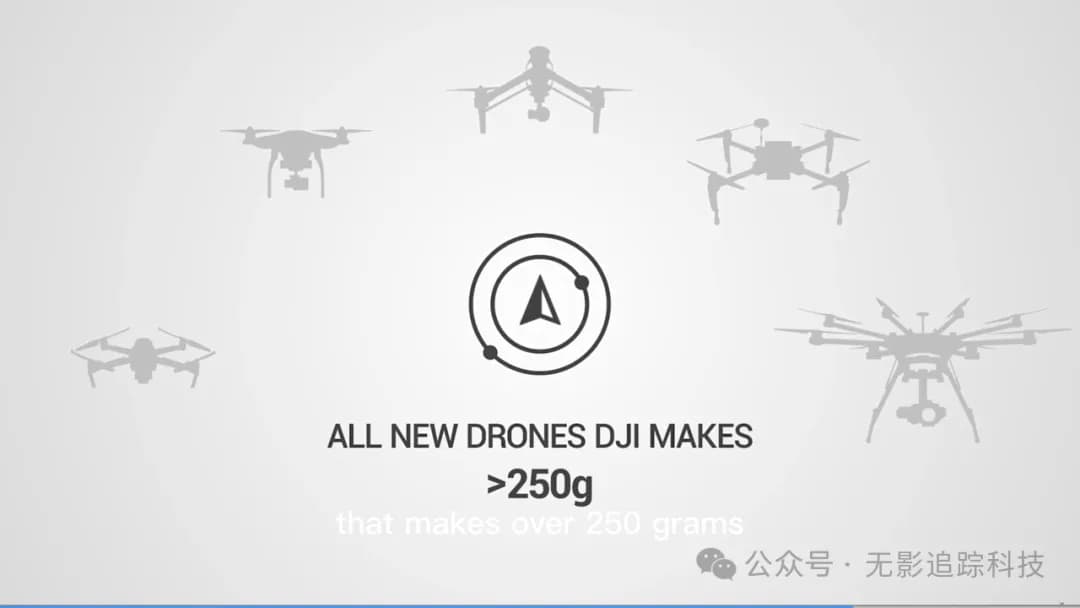
Figure 6: Models Supporting AirSense
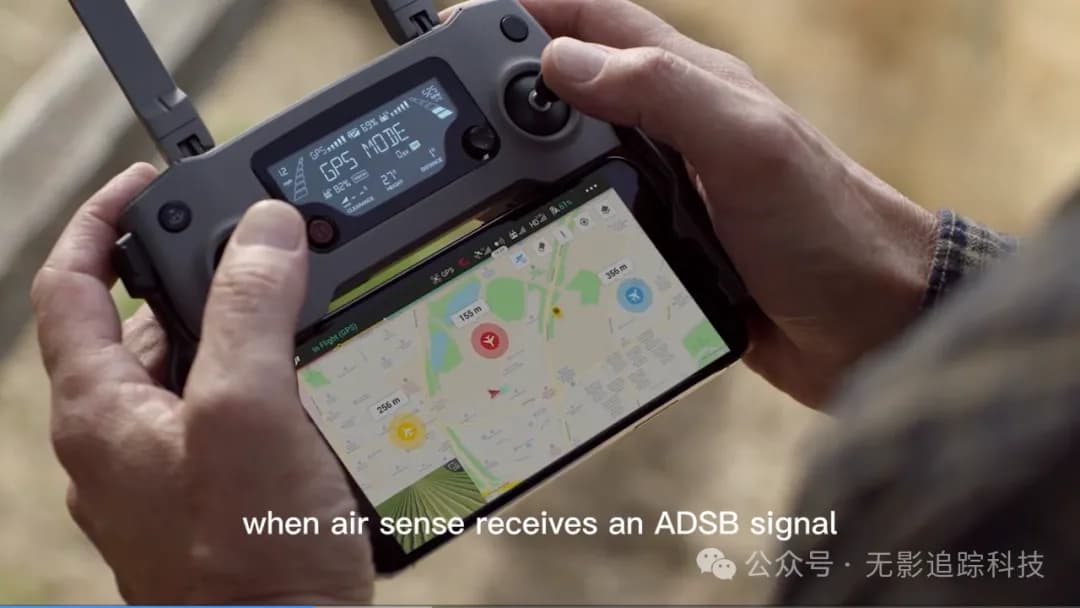
Figure 7: Integrated ADS-B Receiver in DJI Drones
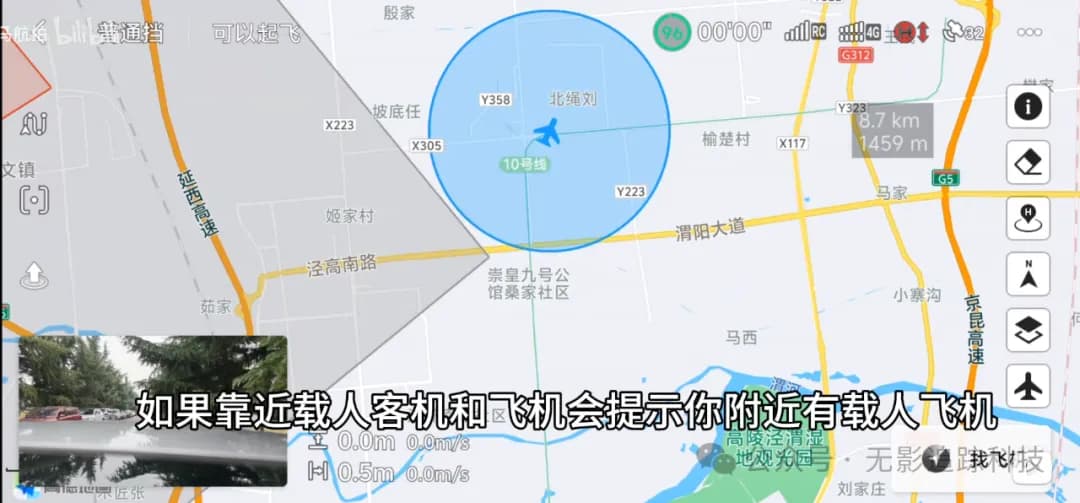
Figure 8: Drone ADS-B Receiver Alerting of Nearby Civil Aircraft
2.2. Ardupilot Open-Source Flight Controller and ADS-B
Currently, open-source flight controllers support the installation of ADS-B transmit and receive modules for low-altitude surveillance and collision avoidance with manned aircraft. A small ADS-B module on a drone can detect civil aircraft or helicopters within a 50km range.
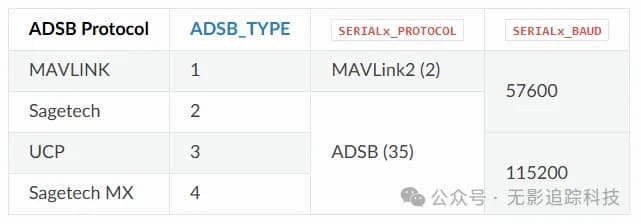
Figure 9: Pixhawk2 Connection to ADS-B Protocol
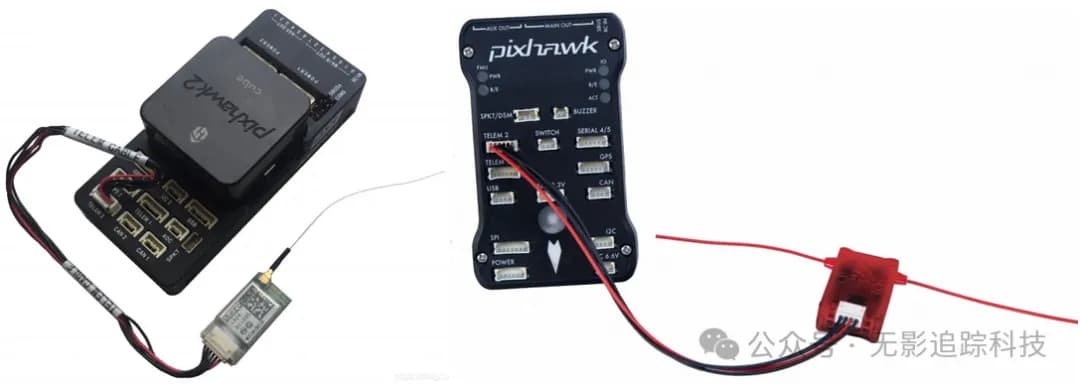
Figure 10: Pixhawk2 Connection to ADS-B Module
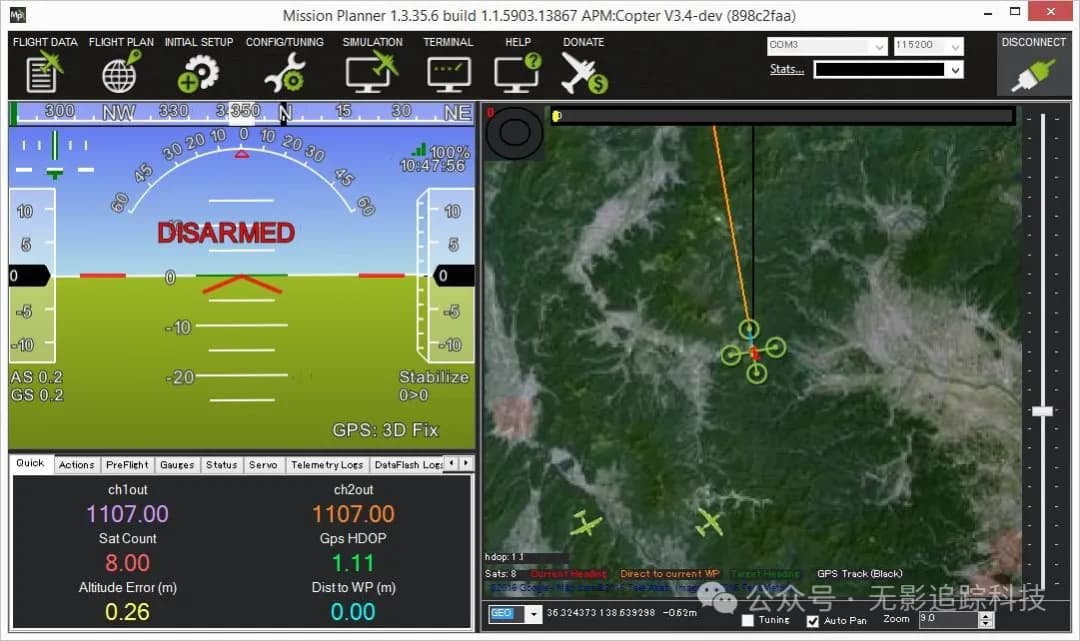
Figure 11: ADS-B Module Displaying Positions of Nearby Civil Aircraft and Drones
3. ADS-B and Low-Altitude Surveillance
3.1. Airspace Classification
The "National Basic Airspace Classification Method" divides airspace into 7 classes (A, B, C, D, E, G, W) based on flight rules, aircraft performance, airspace environment, and ATC services. Classes A, B, C, D, and E are controlled airspace, while G and W are uncontrolled (below 300m and 120m, respectively).
Class G airspace (120-300m) requires aircraft to be equipped with or carry surveillance-capable equipment. Class W airspace (below 120m) requires aircraft to automatically broadcast identification information (Remote ID) during flight.
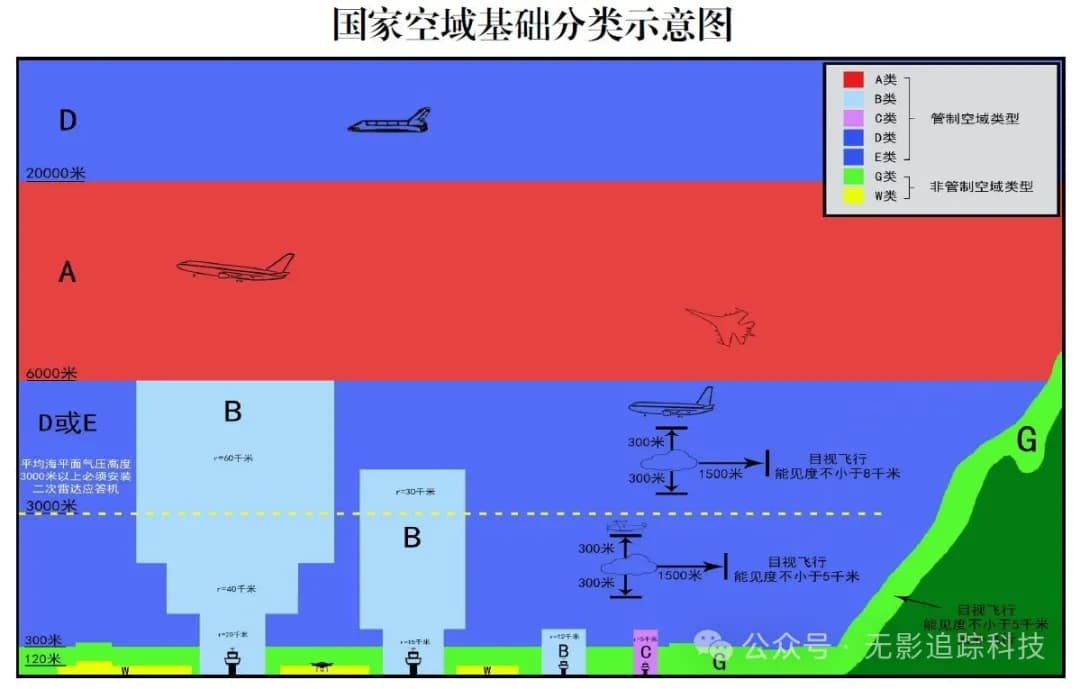
Figure 12: Airspace Classification
3.2. Standards
Currently, there are no mandatory requirements for drones to be equipped with ADS-B receivers or transmitters. A 2024 document, "General Requirements for Civil Unmanned Aircraft Onboard ADS-B IN Equipment," specifies some requirements for the ADS-B broadcast protocol, frequency, power, and formats like Mavlink and JSON.
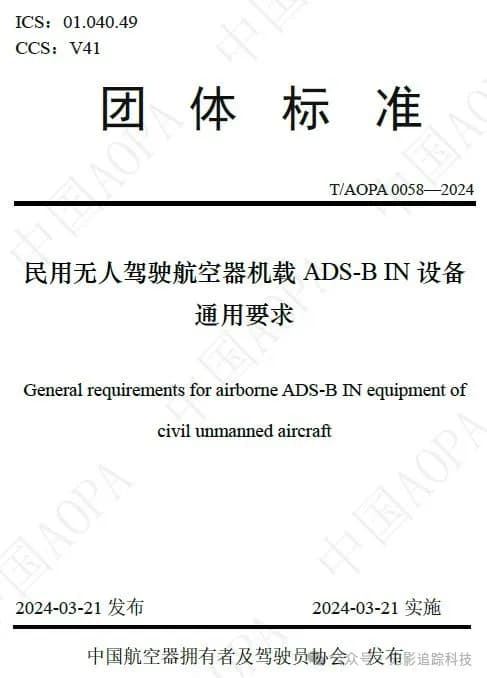
Figure 13: Drone ADS-B Requirements
Large cargo or passenger drones are generally equipped with ADS-B modules to broadcast their position and status.
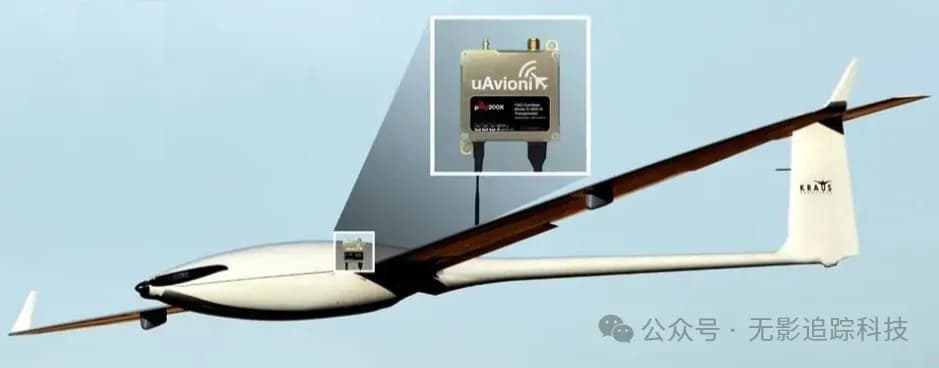

Figure 14: Drones Equipped with ADS-B Broadcasting
Finally, our drone detection module, TrackBox_DLW02, can be enhanced with an ADS-B receiver function to detect drones and civil aircraft broadcasting via ADS-B.