On December 4, 2025, Insta360 released its first drone product, the "Yingling A1". We recently got our hands on the actual device and experienced its impressive immersive flight functionality that truly takes your eyes to the sky.
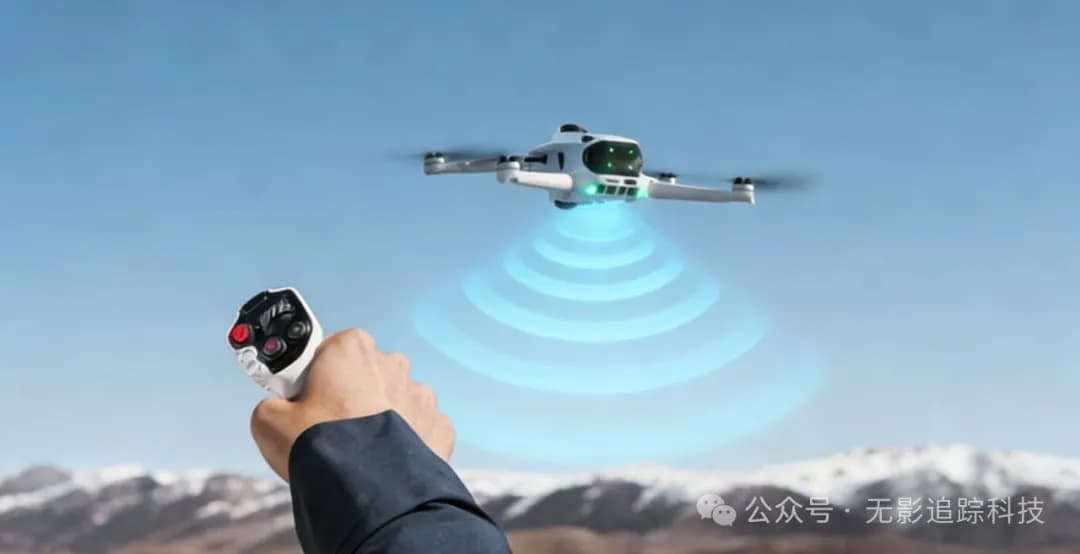
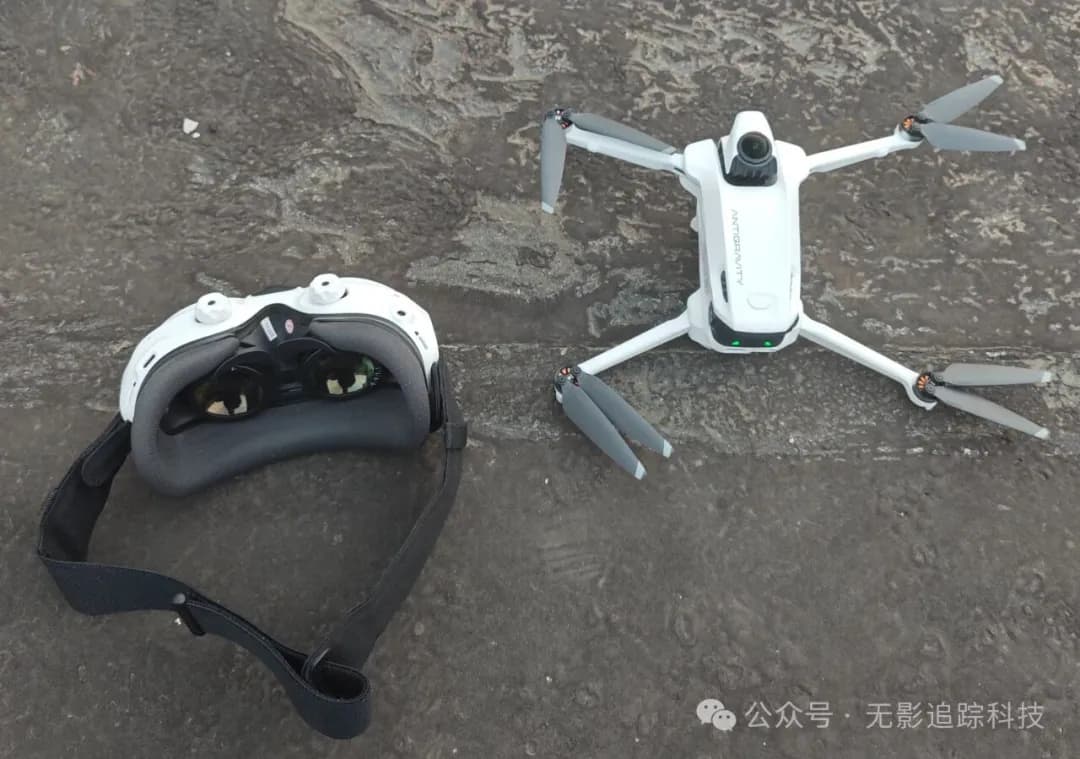
Yingling A1 Technical Specifications
According to the official website, the Yingling drone's image transmission parameters are:
Transmission Solution: OmniLink 360 Panoramic Image Transmission
Real-time Transmission Quality: 2K@30fps
Operating Frequency Bands:
- 2.400 GHz to 2.4835 GHz
- 5.150 GHz to 5.250 GHz
- 5.725 GHz to 5.850 GHz
*Note: 5.150 GHz to 5.250 GHz and 5.725 GHz to 5.850 GHz are only used in countries and regions where regulations permit.
Transmission Power (EIRP):
- 2.4GHz: < 30 dBm (FCC) < 20 dBm (CE/SRRC/MIC)
- 5.1GHz: < 23 dBm (CE) < 21 dBm (FCC)
- 5.8GHz: < 30 dBm (FCC/SRRC) < 14 dBm (CE)
Maximum Signal Effective Distance (no interference, no obstruction):
- 10 km (FCC)
- 8 km (SRRC)
- 6 km (CE)
- 4 km (MIC)
Maximum Transmission Bitrate: 30Mbps
Average Latency: approximately 150 milliseconds
Antenna: 4 antennas, 2T2R
Unique Signal Architecture Design
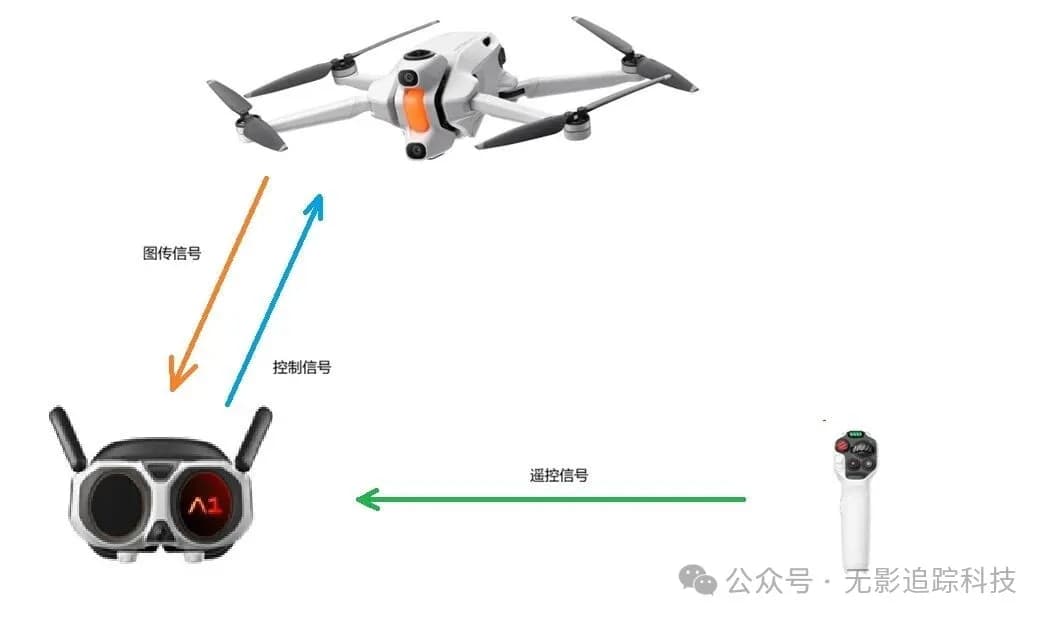
We focus on the wireless signals emitted by the drone. The Yingling drone differs from DJI drones. The drone transmits image signals to the goggles, while the motion controller sends control signals in the 2.4000-2.4835 GHz range also to the flight goggles, which can operate the virtual menu within the goggles or relay the controller's control commands to the drone.
Some users have reported that the Yingling drone's control responsiveness is softer compared to DJI drones. This is speculated to be because the controller commands are not sent directly to the drone, resulting in a less responsive low-latency control experience.
Signal Analysis Results
We separately captured signals from the drone, goggles, and remote controller, and obtained the following analysis results:
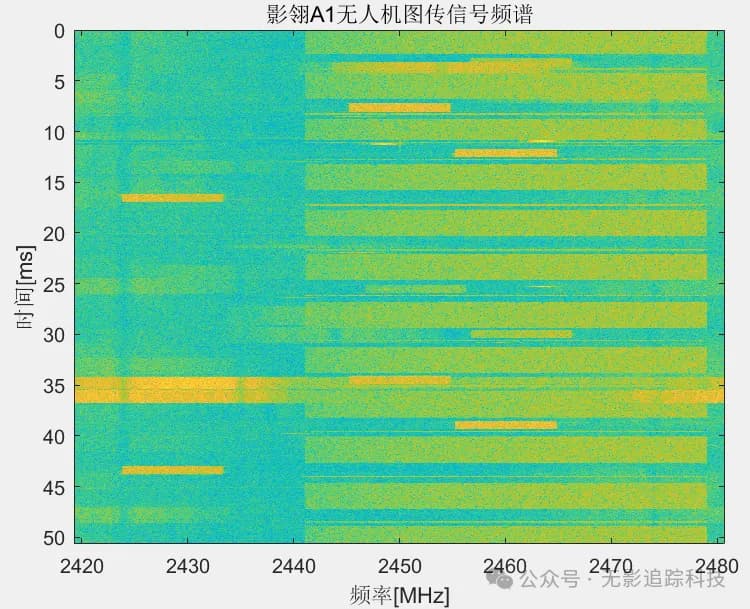
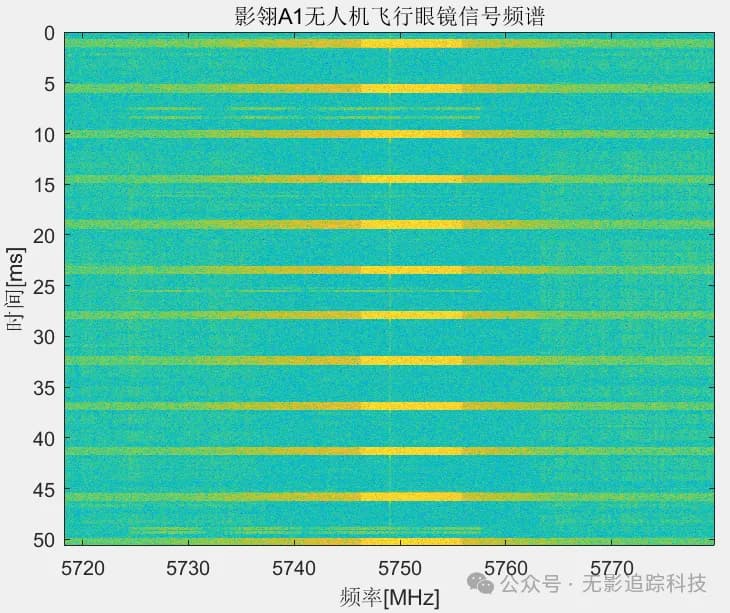
- Image Transmission Signal: 38M bandwidth, OFDM modulation, automatic frequency hopping
- Goggles Signal: 9.5M bandwidth, OFDM modulation, automatic frequency hopping
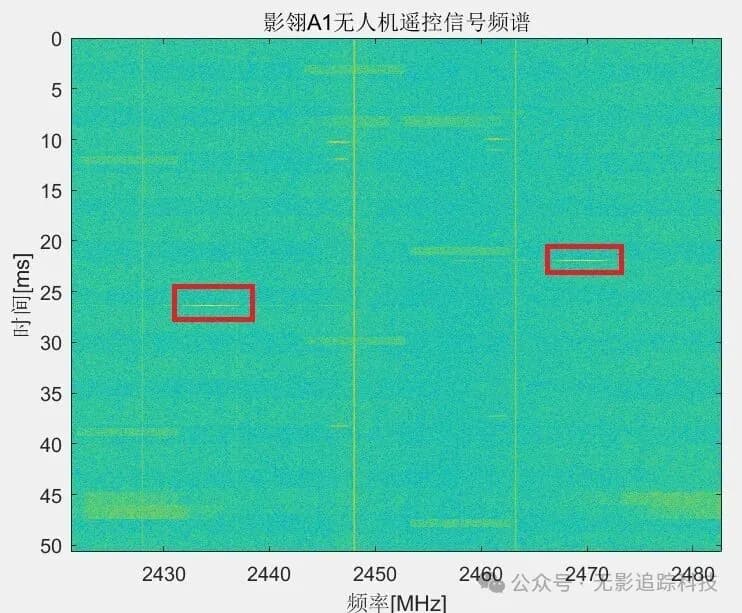
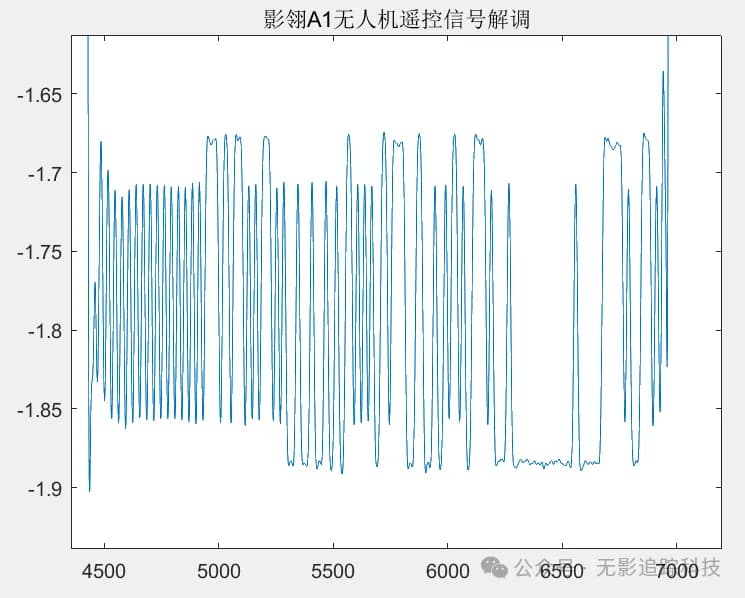
- Remote Control Signal: 2.4G GFSK frequency hopping signal
1. Drone Image Transmission Signal
The drone's image transmission signal has a bandwidth of 38MHz and uses OFDM modulation to ensure high-quality 2K@30fps video transmission. The signal features automatic frequency hopping functionality, which effectively avoids interference and improves transmission stability.
2. Flight Goggles Signal
The signal emitted by the flight goggles has a bandwidth of 9.5MHz and also uses OFDM modulation. This signal is used to communicate with the remote controller, receiving control commands and relaying them to the drone, or directly responding to virtual menu operations on the goggles.
3. Remote Control Signal
The remote controller uses a GFSK modulated frequency hopping signal in the 2.4GHz band, which is a mature and reliable narrowband communication method. The remote control signal is first sent to the flight goggles, which then relay it to the drone. While this design may introduce some latency, it simplifies the system architecture.
TrackBox Detection System Support
In the next article, we will demonstrate the actual performance of the TrackBox_DLW02 detection module (upgraded version) in identifying and positioning the Yingling A1 drone.
Through in-depth analysis of the Yingling A1 drone signals, we can see Insta360's innovative approach to image transmission technology. The OmniLink 360 panoramic transmission system adopts a unique three-way communication architecture (drone-goggles-controller). While it may not match traditional point-to-point solutions in terms of control latency, it provides a novel solution for immersive flight experiences.
For drone detection and control systems, understanding these signal characteristics is crucial for accurately identifying and positioning the Yingling A1 drone. Its 38MHz bandwidth OFDM image transmission signal and 9.5MHz bandwidth goggles signal are distinctive identification features.